
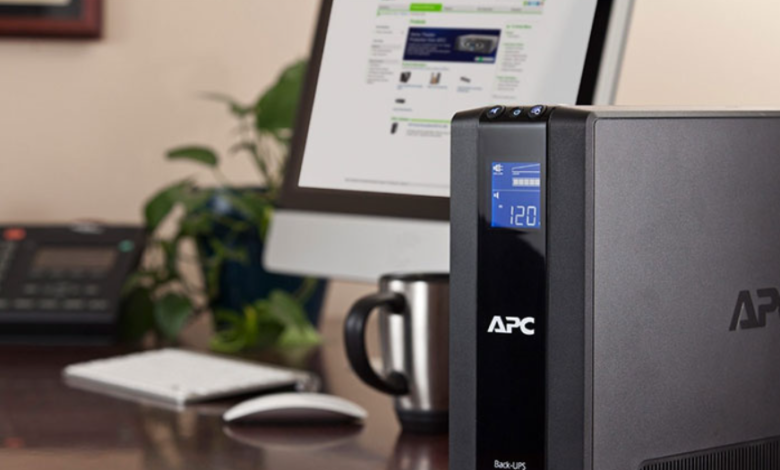
In today’s technology-driven world, uninterrupted power is essential for homes, offices, data centers, and industrial environments. Power outages, voltage fluctuations, and electrical disturbances can cause serious damage to equipment, data loss, and operational downtime. This is where UPS uninterruptible power systems play a critical role.
A UPS uninterruptible power solution ensures continuous and stable electricity supply when the main power source fails or becomes unstable. This article explores how UPS systems work, their types, benefits, applications, and why they are a vital investment for power protection.
What Is UPS Uninterruptible Power?
UPS uninterruptible power refers to a backup power system designed to provide immediate electrical support during power interruptions. Unlike generators, which take time to start, a UPS delivers instant power using internal batteries or energy storage systems.
The primary purpose of a UPS uninterruptible power system is to:
- Prevent sudden shutdowns
- Protect sensitive electronic equipment
- Maintain operational continuity
- Stabilize voltage and frequency levels
UPS systems are commonly used with computers, servers, medical devices, communication systems, and industrial machinery.
See also: Top 5 Home Maintenance Services Every Homeowner Should Consider
How UPS Uninterruptible Power Systems Work
A UPS uninterruptible power system operates by continuously monitoring incoming electricity. When power conditions are normal, the system allows electricity to flow to connected devices while charging its internal battery.
When a power outage or fluctuation occurs, the UPS instantly switches to battery power, ensuring uninterrupted operation. Once normal power is restored, the UPS transfers back to main power and recharges its battery automatically.
This seamless transition is what makes UPS systems essential for environments where even a few seconds of downtime can cause serious problems.
Types of UPS Uninterruptible Power Systems
Offline (Standby) UPS
This is the most basic form of UPS uninterruptible power. It remains idle during normal power conditions and activates only during an outage. It is suitable for home computers and small office equipment.
Line-Interactive UPS
Line-interactive systems offer improved voltage regulation. They can correct minor fluctuations without switching to battery power, making them ideal for small servers, network equipment, and office environments.
Online (Double-Conversion) UPS
Online UPS systems provide the highest level of protection. They continuously convert incoming AC power into DC and then back into AC, ensuring complete isolation from power disturbances. These are commonly used in data centers, hospitals, and industrial facilities.
Key Benefits of UPS Uninterruptible Power
Protection Against Power Failures
UPS systems prevent sudden shutdowns caused by blackouts, brownouts, or surges.
Data Security
By maintaining power during outages, UPS uninterruptible power helps prevent data corruption and loss.
Equipment Longevity
Stable power supply reduces stress on electronic components, extending equipment lifespan.
Business Continuity
UPS systems allow businesses to save work, shut down systems safely, or continue operations during short outages.
Improved Power Quality
UPS units regulate voltage and frequency, protecting devices from harmful electrical irregularities.
Applications of UPS Uninterruptible Power
UPS uninterruptible power systems are used across various sectors, including:
- Home offices and personal computers
- Corporate offices and IT infrastructure
- Data centers and server rooms
- Hospitals and medical equipment
- Industrial automation systems
- Telecommunications and networking devices
- Security and surveillance systems
Each application requires a specific UPS capacity and configuration to ensure optimal performance.
Choosing the Right UPS Uninterruptible Power System
When selecting a UPS uninterruptible power solution, consider the following factors:
- Power Capacity: Measure total load in watts or VA
- Runtime Requirements: How long backup power is needed
- Type of Equipment: Sensitive devices may require online UPS
- Scalability: Ability to expand battery capacity
- Maintenance Needs: Battery replacement and monitoring
- Environment: Temperature, ventilation, and space availability
Proper selection ensures maximum efficiency and reliable protection.
Maintenance and Battery Management
UPS uninterruptible power systems require regular maintenance to ensure reliability. Battery health is especially critical, as batteries degrade over time. Routine inspections, testing, and timely battery replacement help maintain optimal performance and prevent unexpected failures.
FAQs About UPS Uninterruptible Power
What does UPS uninterruptible power mean?
UPS uninterruptible power refers to a backup power system that provides immediate electricity during power outages or fluctuations.
How long can a UPS provide power?
Runtime depends on battery capacity and load. It can range from a few minutes to several hours with extended battery packs.
Is a UPS better than a generator?
UPS systems provide instant power without delay, while generators are better for long-term outages but require startup time.
Can UPS uninterruptible power protect against voltage fluctuations?
Yes, UPS systems regulate voltage and protect equipment from surges, spikes, and dips.
Do all devices need a UPS?
Not all devices require UPS protection, but critical systems, sensitive electronics, and data-related equipment greatly benefit from it.
How often should UPS batteries be replaced?
Typically every 3 to 5 years, depending on usage, environment, and battery type.
Conclusion
A UPS uninterruptible power system is an essential component of modern power management. It protects equipment, preserves data, and ensures continuity during power disturbances. Whether for home use, business operations, or industrial environments, investing in the right UPS solution minimizes risks associated with electrical failures.
By understanding how UPS uninterruptible power systems work and selecting the appropriate type, users can ensure reliable, stable, and uninterrupted power when it matters most.


