Strategic Business Planning and Market Insights: 8559731040, 570010280, 604010253, 633064150, 211206990, 692133716

Strategic business planning increasingly relies on market insights extracted from thorough data analysis. This integration allows organizations to understand consumer behavior and adapt to shifting market dynamics. By anticipating trends, businesses can position themselves advantageously. However, the challenge lies in effectively implementing these insights into actionable strategies. What frameworks and methodologies can be employed to harness this potential and ensure sustained success in a competitive landscape?
Understanding Market Insights Through Data Analysis
Although the complexity of modern markets can be overwhelming, the effective use of data analysis serves as a crucial tool for understanding market insights.
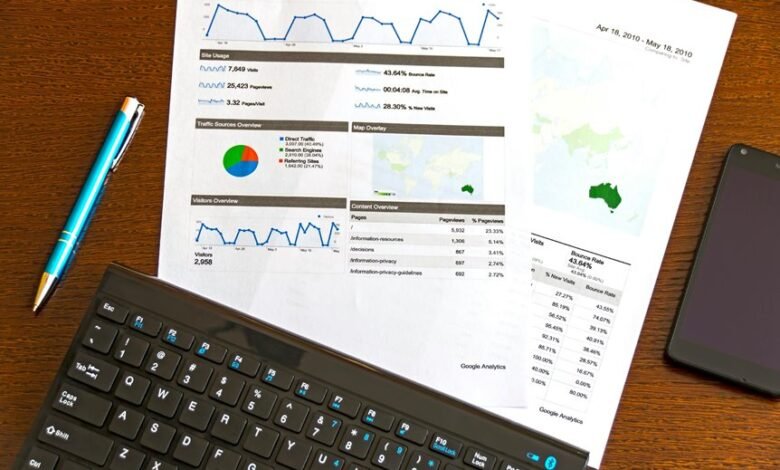
Employing data visualization techniques allows stakeholders to interpret complex data intuitively, while predictive analytics tools enable businesses to forecast trends and behaviors.
Together, these strategies empower organizations to make informed decisions, fostering an environment that values freedom and strategic adaptability.
The Role of Consumer Behavior in Strategic Planning
Market insights gleaned through data analysis provide a foundation for understanding consumer behavior, which is pivotal in strategic planning.
Anticipating Market Trends for Competitive Advantage
To secure a competitive advantage, businesses must adeptly anticipate market trends that influence consumer behavior and industry dynamics.
Effective trend forecasting allows organizations to refine their competitive positioning, enabling them to adapt proactively rather than reactively.
Implementing Insights Into Business Strategy
Anticipating market trends equips businesses with valuable insights, but the real challenge lies in effectively integrating these insights into actionable business strategies.
Successful insight integration requires a clear framework for strategy alignment, ensuring that decisions reflect market realities.
Companies that master this alignment can enhance agility, leverage opportunities, and navigate uncertainties, ultimately fostering a culture of innovation and adaptability in a dynamic marketplace.
Conclusion
In the realm of strategic business planning, organizations resemble skilled navigators charting a course through turbulent waters. By harnessing the compass of data analysis and the stars of consumer behavior, they can foresee the shifting tides of market trends. This foresight empowers them to adjust their sails, ensuring they remain on course toward innovation and growth. Ultimately, those who embrace these insights not only survive the storms but thrive, transforming uncertainty into opportunity in the vast ocean of commerce.